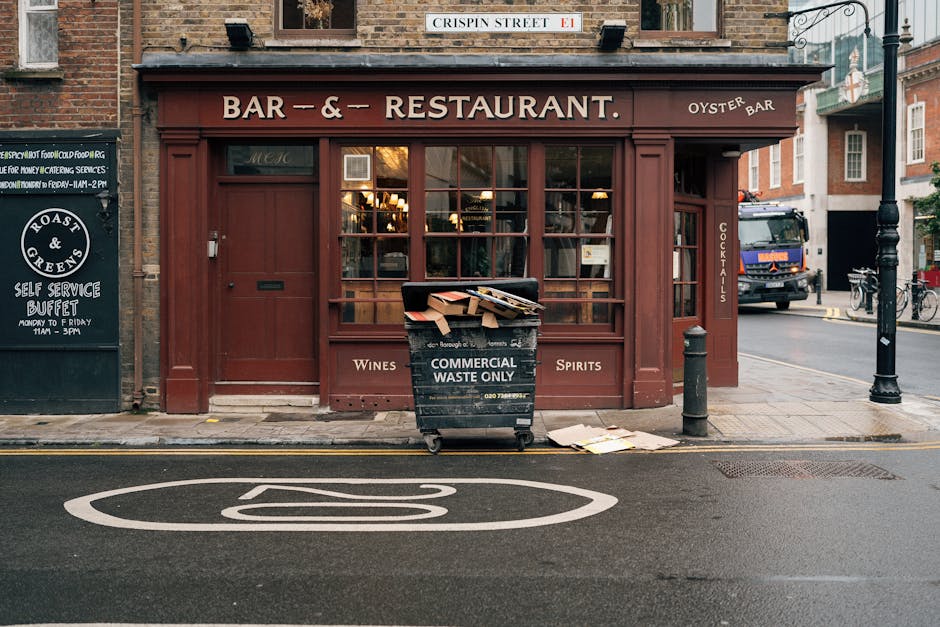
Kensington and Chelsea Council rules on household waste W11
Posted on 18/06/2026
Kensington and Chelsea Council Rules on Household Waste W11: A Practical Local Guide
If you live in W11, household waste can feel simple until it suddenly isn't. A missed collection, the wrong bin, a bulky sofa left outside, or a bag put out too early can quickly become a hassle. This guide explains the Kensington and Chelsea Council rules on household waste W11 in plain English, with a focus on what residents actually need to know day to day. You'll find the basics, the practical steps, the common mistakes to avoid, and the sensible options when your rubbish is more than a normal bin-full. Truth be told, most waste problems in W11 come down to small details - timing, sorting, presentation, and knowing what counts as household waste in the first place.
We'll also cover how local rules affect flats, houses, landlords, and anyone dealing with bulky items, garden cuttings, white goods, or post-refurbishment leftovers. And where it makes sense, we'll point you towards useful local services and internal resources such as our services overview and our recycling and sustainability approach so you can make a cleaner, easier decision.
Why Kensington and Chelsea Council rules on household waste W11 Matters
Household waste rules exist for a reason, and not just to make life fiddly. In a dense area like W11, the way rubbish is stored, sorted, and presented affects street cleanliness, pest control, recycling performance, access for pedestrians, and how pleasant the area feels first thing in the morning. Anyone who has walked past a row of bags in the drizzle knows the smell of food waste and the look of damp cardboard. Not ideal.
For residents, the practical value is straightforward: following the rules helps avoid missed collections, enforcement issues, and unnecessary extra costs. It also reduces the chance that your waste gets rejected or spills onto the pavement. If you manage a flat share, a rental property, or a small business with domestic-style waste streams, the details matter even more. A few incorrect items in the wrong bin can create a chain reaction - missed pickup, complaints from neighbours, and a lot of back-and-forth that nobody needs.
There's also a wider local benefit. When household waste is handled correctly, recycling is cleaner, bulky items are less likely to be dumped illegally, and the street scene stays calmer. That matters in W11, where space is tight and kerbside clutter stands out immediately. Put simply: the rules are not there to annoy you. They're there because the area functions better when everyone follows the same basics.
Expert summary: If you remember just one thing, make it this: sort waste correctly, present it on time, and use the right route for bulky or unusual items. Most problems start when one of those three slips.
How Kensington and Chelsea Council rules on household waste W11 Works
The details can vary by property type, but the logic is usually the same. Household waste is separated into different streams, such as general rubbish, recycling, food waste, and items that need special handling. In flats, bins may be shared. In houses, you may have individual containers or designated collection points. Either way, the council expects waste to be prepared in the correct way before collection.
In practice, the main things residents need to get right are:
- Waste type: Put each item in the right stream. Mixed bags are the fastest way to cause trouble.
- Bin presentation: Containers should be put out in the approved way, usually on the correct day and time.
- Contamination control: Food residue, liquid, and non-recyclable materials can ruin a recycling load.
- Bulky items: Sofas, mattresses, appliances, and clearance waste often need a separate arrangement.
- Safety and access: Bags and bins should not block pathways, doors, or access for neighbours and collection crews.
For W11 residents, one of the easiest ways to stay organised is to build a simple household rhythm. Keep a small sorting area indoors, empty food waste before bin day, flatten cardboard, and store bulky items separately until you've arranged disposal. That sounds obvious, but to be fair, most people only get into trouble when they rush at the last minute. A packet of takeaway containers in the wrong bin can undo a decent recycling effort quite quickly.
If you have more waste than the standard household system can handle, a private collection or clearance service may be the more practical route. Our domestic waste collection support is often useful for residents who need a one-off uplift without turning the hallway into a small depot.
Key Benefits and Practical Advantages
Following the rules properly does more than keep you on the right side of local expectations. It gives you a cleaner home, fewer collection issues, and less stress when rubbish starts to build up. That's especially useful in W11, where lots of homes have limited storage and shared access.
- Cleaner kerbside presentation: Waste that is sorted and contained looks neater and causes fewer complaints.
- Fewer missed collections: Crews are less likely to reject bins that are prepared correctly.
- Better recycling outcomes: Correct sorting keeps recyclable material cleaner and more usable.
- Lower nuisance risk: Proper food waste handling helps reduce smells and pests.
- Less DIY stress: When bulky waste is handled properly, you don't have to keep moving it around the house.
There's also a hidden advantage people forget: it makes household life feel lighter. One tidy bin system can take the edge off a messy week. That may sound small, but anyone who has tried to navigate a narrow Notting Hill hallway around a chair, a broken hoover, and three bin bags will know exactly what I mean.
And if you're weighing up whether to use council collection channels or a private clearance option, it helps to compare effort as well as price. Sometimes the cheapest-looking option is the one that eats the most time.
Who This Is For and When It Makes Sense
This guidance is for anyone living, renting, managing, or helping clear a home in W11. That includes long-term residents, new movers, landlords, tenants, flat shares, family homes, and people dealing with a house move, spring clean, or bereavement clearance. It also matters if you are dealing with waste from decorating, gardening, or replacing old furniture.
It makes particular sense if you:
- are unsure what can go in the regular bins
- have a shared bin arrangement and need clearer habits
- need to get rid of bulky household items
- have more rubbish than a normal weekly collection can handle
- want to avoid fly-tipping risks or neighbour complaints
- are trying to keep a rental property compliant and presentable
It's also useful for people who want a faster, cleaner solution than a general wait-and-see approach. For example, if you're clearing a spare room after years of "I'll deal with it later" boxes, you may need a fuller service such as house clearance support rather than trying to squeeze everything into the normal cycle. That's not overkill; it's just the practical option.
Step-by-Step Guidance
Here's a straightforward way to deal with household waste in W11 without making it more complicated than it needs to be.
- Separate your waste by type. Keep general rubbish, recycling, food waste, and reusable items apart from the start.
- Check what is actually recyclable. Clean, dry, and correctly sorted items are usually safer choices than half-rinsed mixed waste. If something is greasy, wet, or heavily contaminated, don't assume it belongs in recycling.
- Contain everything securely. Use the right bin or tied bag. Loose waste is where mess begins.
- Plan for the collection day. Put bins out when expected and bring them back in promptly afterwards if you're responsible for them.
- Deal with bulky items separately. Sofas, wardrobes, fridges, mattresses, and broken appliances need a proper disposal route.
- Check access before moving items. Stairwells, narrow doorways, and shared hallways can turn a simple job into a two-person lift and a bit of swearing.
- Book a specialist collection when needed. If the volume is too large or the items are awkward, use a service that can remove everything in one visit.
A useful habit is to do a quick sweep the night before collection. It takes ten minutes, not an hour, and it often catches the little things that cause problems: food in the wrong container, overfilled bins, or a box of broken mixed materials someone quietly left by the side. Humans are creative like that.
Expert Tips for Better Results
Small changes make a big difference. Here are the practical habits that save time and reduce waste headaches.
- Flatten cardboard properly. It creates space and makes recycling easier to manage.
- Keep food waste separate and sealed. Even a small leak can make a bin unpleasant very quickly.
- Use one "decision box" for items to keep, donate, or dispose of. It stops clutter from drifting around the house.
- Store bulky items out of the way but not forgotten. Put them in one spot so they do not become hallway furniture.
- Take photos before a clearance. Handy if you are arranging a quote or checking what needs moving.
- Ask about licensing and handling if using a private provider. Responsible disposal matters as much as speed.
Here's a small real-world observation: most homes that stay tidy don't have fewer items, they just have a better system. The bin area is simple, the spare bags are kept somewhere sensible, and the stuff that needs special handling doesn't sit there for weeks gathering dust and guilt. It really is that basic sometimes.
If you are comparing options, our pricing and quotes information can help you think through cost in a more structured way, rather than guessing what a clear-out should reasonably involve.
Common Mistakes to Avoid
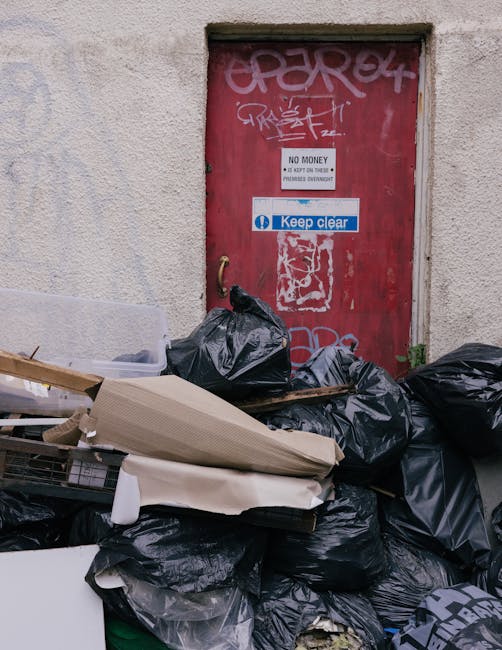
The biggest mistakes are usually small, and that's exactly why they happen. People are busy. Bags get mixed. Items get left downstairs "for later." Then the whole thing becomes a problem.
- Mixing recyclables with general waste: One contaminated bag can cause a lot of unnecessary waste.
- Putting bins out too early: This can create obstruction issues and makes streets look untidy.
- Leaving loose waste beside bins: That often attracts vermin and complaints.
- Dumping bulky items without arranging pickup: This is one of the quickest routes to trouble.
- Assuming all "household" waste is the same: Furniture, white goods, garden waste, and builders' rubble each need different handling.
- Ignoring shared-bin rules in flats: One resident's shortcut becomes everyone's headache.
Another common slip is underestimating how much space a clear-out takes. A mattress, broken chest of drawers, and a couple of bags can look small until they're sitting by your front door. Suddenly, the path narrows and the place feels twice as chaotic. Not the best vibe, especially if visitors are due in the evening.
Tools, Resources and Recommendations
You do not need a complicated toolkit to manage household waste well. Most of the job is organisation. Still, a few simple tools can make life easier:
- Labelled storage bags or boxes for recycling, general waste, and donation items
- A tape measure for bulky furniture or appliances before collection
- Gloves and basic cleaning supplies when sorting old storage spaces
- Phone photos for quoting, booking, or checking item condition
- A simple household calendar for bin days and collection reminders
For local residents who want a fuller service route, it can be helpful to review waste carrier licence and compliance guidance before booking a provider. That extra check gives peace of mind and helps you avoid fly-by-night operators, which, let's face it, are still out there.
If you're dealing with old furniture, appliances, or garden cuttings, these related services may be relevant too: furniture removal, white goods and appliance disposal, and garden waste removal.
Law, Compliance, Standards, or Best Practice
When household waste is involved, the safest approach is to follow local collection expectations, keep waste contained, and avoid leaving anything in the street that could be considered fly-tipping or obstruction. If you are using a contractor, the provider should handle waste responsibly and be able to explain how it is transported and processed. That's not being fussy. It's normal due diligence.
Best practice in the UK context usually means:
- sorting waste correctly at source
- keeping waste secure until collection
- using licensed and insured disposal routes where appropriate
- avoiding illegal dumping, even for "just one bag"
- keeping clear records for larger clearances or rental-property work
For landlords, agents, and anyone handling property turnover, this matters even more. A room left full of waste after a move-out can create safety, access, and reputational issues very quickly. Our insurance and safety information and about us page may help you judge whether a service feels properly run and trustworthy.
Practical note: when the waste is unusual, mixed, or heavy, the safest route is usually the simplest one - book the right collection rather than trying to improvise with multiple trips and a lot of lifting.
Options, Methods, or Comparison Table
There is more than one way to handle household waste in W11. The right method depends on volume, urgency, item type, and how much lifting you want to do yourself.
| Method | Best for | Pros | Things to watch |
|---|---|---|---|
| Standard household bin collection | Everyday rubbish and recycling | Routine, simple, usually low effort | Requires correct sorting and timing |
| Bulky item arrangement | Sofas, mattresses, wardrobes, appliances | Suitable for larger items without DIY dumping | Needs planning and may have restrictions |
| Private domestic clearance | Flat clearances, moving out, heavy mixed waste | Fast, convenient, can handle mixed loads | Choose a compliant provider and get a clear quote |
| Specialist item removal | Furniture, white goods, garden waste | Better handling for awkward or heavy items | May need separate booking by item type |
If you are deciding between a council-led route and a private collection, ask yourself: how much time will this take, and how many trips would I realistically have to make? That one question usually clarifies things. If you need a smoother one-off solution, a local team that handles builders waste removal or a complete house clearance may be the more sensible fit.
Case Study or Real-World Example
Here's a typical W11-style situation. A resident in a top-floor flat has just finished replacing a sofa, a broken coffee table, and an old microwave. The normal bin store is already busy, the hallway is narrow, and the lift is, predictably, being temperamental. They could try to wait and stagger the disposal over several weeks. Or they could sort the items, separate anything recyclable, and arrange a proper collection.
In the sensible version of events, the resident first checks what can go into the regular waste stream and what needs separate handling. The sofa is kept clear of the communal bin area, the microwave is set aside as an appliance item, and cardboard packaging is flattened. A collection is booked for the larger pieces. One visit, one plan, and no improvised furniture sculpture outside the front door.
The result is calmer for everyone. The flat is usable again, neighbours are not stepping around a pile of awkward junk, and the item removal is done properly. It is a small win, but in a busy London street, small wins matter. Especially on a wet Tuesday afternoon when the bins are already full and nobody wants more chaos.
Practical Checklist
Use this before your next collection or clear-out.
- Have I separated general waste, recycling, food waste, and special items?
- Are all bags tied, contained, and easy to move?
- Have I flattened cardboard and removed contamination where possible?
- Do I know the correct day and time for collection?
- Have I kept walkways, entrances, and shared areas clear?
- Is there any bulky item that needs a separate pickup?
- Do I know whether any item needs specialist disposal?
- Have I checked the provider's compliance and safety approach if using one?
- Do I have a clear quote or cost estimate for larger removals?
- Have I planned where everything goes before I start moving it?
That last one sounds almost too simple, but it saves a lot of frustration. Know the destination before you start carrying the boxes.
Get a free quote today and see how much you can save.
Conclusion
Getting to grips with Kensington and Chelsea Council rules on household waste W11 is less about memorising every detail and more about building a reliable routine. Sort waste properly, keep collections tidy, and deal with bulky items through the right route. Once that habit is in place, the whole thing becomes far less annoying - and frankly, far less smelly too.
For many W11 residents, the real challenge is not the rules themselves. It's fitting them into a busy week. But with a bit of planning, a sensible sorting system, and the right disposal option when things get bigger than a bin bag, it all gets easier. Cleaner home, calmer street, fewer surprises. A decent trade, really.
And if you're staring at a pile of items that feels like it has grown overnight, don't panic. Start with one bag, one box, one clear decision. The rest usually follows.