Kensington & Chelsea fines for fly-tipping in Notting Hill
Posted on 18/10/2026
Kensington & Chelsea fines for fly-tipping in Notting Hill: what residents, landlords and businesses should know
If you live, work, rent out a property, or run a business in Notting Hill, fly-tipping is one of those annoying local issues that can quickly become expensive. A bag left beside a tree on a quiet mews. A broken wardrobe dumped after dark. Builders' rubble parked beside a wall "for just a minute" and then abandoned. It all sounds small until it isn't. Kensington & Chelsea fines for fly-tipping in Notting Hill can hit hard, and the fallout can include removal costs, investigation headaches, and a lot of wasted time.
This guide explains what fly-tipping means in practical terms, how council enforcement typically works, why fines matter so much in Notting Hill, and what you can do to avoid getting caught out. We'll also cover smart disposal options, common mistakes, and a simple checklist you can use before you leave anything out for collection. If you want the short version: keep your waste traceable, use a licensed carrier, and never assume "someone else will deal with it".
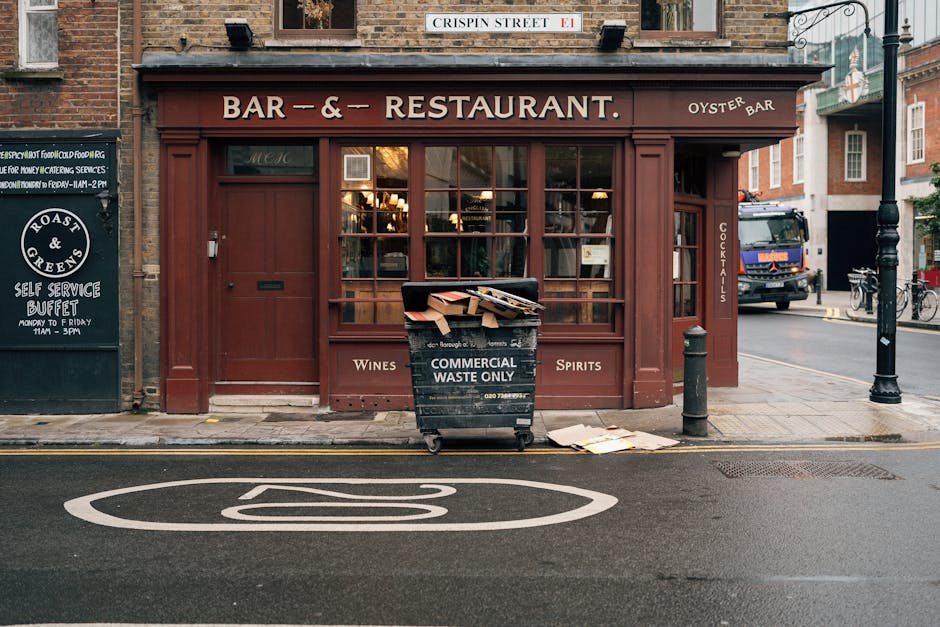
Why Kensington & Chelsea fines for fly-tipping in Notting Hill Matters
Fly-tipping is not just an eyesore. In Notting Hill, it can affect the feel of a whole street. One pile on a corner by a shopfront or mews entrance can make a road look neglected almost overnight. You notice it in the morning when the bins are still out, the pavement is tight, and the rubbish has been split open by seagulls or foxes. Not exactly the best first impression for residents, guests, or customers.
There's also a practical side. Waste dumped in the wrong place can block access, attract pests, create trip hazards, and cause unnecessary work for homeowners, landlords, managing agents and local businesses. For businesses in particular, a single bad waste decision can become a paperwork and reputation problem. That's why the issue is taken seriously across Kensington & Chelsea.
For readers who want to stay on the right side of waste handling from the outset, it helps to understand the bigger picture around service quality and responsible disposal. Pages such as services overview, waste carrier licence and compliance, and recycling and sustainability are useful background reading.
Expert summary: In Notting Hill, fly-tipping enforcement matters because the consequences are bigger than a fine. It affects property condition, local trust, access, and in some cases the evidence trail around who arranged the waste in the first place.
How Kensington & Chelsea fines for fly-tipping in Notting Hill Works
At a practical level, enforcement usually begins with an incident being spotted, reported, or investigated. That may come from a resident, a passer-by, a building manager, a street team, or an officer reviewing the scene. Once waste is dumped illegally, the key question becomes: can the council or enforcement officer identify who left it there, arranged it, or failed in their duty of care?
That is where many people get caught off guard. It is not always the person physically seen dropping the waste who ends up facing the consequences. If you gave waste to an unlicensed operator, left it with no traceable paperwork, or asked someone casually to "take it away cheap", you may still have problems later. Truth be told, that is how a lot of avoidable trouble starts.
Fines, notices, or further action depend on the circumstances. For example:
- small-scale dumping may lead to a fixed penalty or enforcement action
- repeated or commercial dumping can attract stronger penalties
- if hazardous, bulky, or trade waste is involved, the risks rise quickly
- poor record-keeping can make it harder to defend yourself
For householders in W11, one important related read is Kensington and Chelsea Council rules on household waste in W11. It gives extra context around day-to-day waste habits, which is where many problems begin.
What usually triggers enforcement?
Common triggers include abandoned sacks, DIY rubble, broken furniture, mattresses, garden waste, shop waste left at the wrong time, and construction debris outside a property boundary. Sometimes the item itself gives the game away. A delivery label, invoice, letter, or business packaging can be enough to start tracing back who was responsible. A missed detail, one flimsy bag, and the whole thing can unravel.
Key Benefits and Practical Advantages
It sounds odd to talk about "benefits" in a fly-tipping article, but there are real advantages to getting this right. The main one is simple: you reduce risk. Not just the risk of a fine, but the risk of having to clean up a mess that should never have been yours in the first place.
Here are the practical upsides of handling waste properly in Notting Hill:
- Lower enforcement risk - clear paperwork and proper disposal reduce the chance of being linked to dumped waste.
- Cleaner property presentation - important for landlords, agents, businesses, and anyone with visitors.
- Fewer neighbour disputes - nothing sets off a row quite like a shared bin area that has turned into a dumping ground.
- Better planning - once waste is scheduled properly, there is less last-minute panic.
- Improved sustainability - recyclable and reusable items are more likely to be separated correctly.
There's also a commercial angle. Businesses on or near busy routes such as Westbourne Grove or around market areas need waste routines that are predictable. For that, you may find waste pickup guidance for local businesses on Westbourne Grove and the Portobello Road market waste guide genuinely useful.
Who This Is For and When It Makes Sense
This topic matters to more people than you might think. Notting Hill has a mix of terraced homes, flats, managed buildings, shops, hospitality venues, short-let properties, offices, and renovation work. Each of those settings creates a slightly different waste risk.
You should pay close attention if you are:
- a homeowner clearing bulky items or leftover DIY waste
- a landlord or letting agent dealing with tenant move-outs or eviction clearances
- a builder or tradesperson managing rubble, timber, plasterboard, or packaging
- a retailer or cafe operator generating regular commercial waste
- a resident committee or managing agent responsible for communal bin areas
- someone comparing disposal options and trying to avoid hidden fees
It also makes sense if you are simply unsure whether a pile of waste is "your problem" or whether it has crossed into illegal dumping territory. The line can feel blurry when the pavement is tight and everyone is trying to get on with their day. But in practice, being cautious is cheaper than being casual.
For bulky household items, this related article on bulky-item pickups in Notting Hill Gate is a helpful starting point. If you are pricing out sofas, mattresses, or mixed domestic waste, you may also want to review bulky waste, mattress and sofa disposal costs before making a decision.
Step-by-Step Guidance
Let's make this practical. If you want to reduce the chance of fly-tipping issues and stay organised, follow this process.
- Identify the waste correctly. Separate household rubbish, garden waste, builders' waste, appliances, furniture, and anything potentially hazardous.
- Check whether it can be reused, donated, repaired, or recycled. Some items do not need to become waste at all, which is the best outcome really.
- Confirm who is responsible. If waste came from a tenant, contractor, visitor, or another party, establish the trail before acting.
- Choose a proper disposal route. That may mean council collection, a licensed waste carrier, or a specialist removal service.
- Keep records. Save messages, invoices, photos, collection details, and any proof that the waste was handed over lawfully.
- Do not leave waste in a shared or public area. This is where a lot of "temporary" arrangements become fly-tipping.
If you need structured help with a full clearance, the pages on house clearance in Notting Hill and urgent eviction rubbish clearance services can be useful reference points, especially where time is short and the property needs to be left tidy.
A quick practical example
Imagine a flat renovation on a narrow Notting Hill street. The contractor says they will "sort the rubbish later", a pile of plasterboard and offcuts ends up outside the building, and by the next morning the wind has blown a few sheets across the pavement. That is exactly the sort of situation where complaints start, photos get taken, and someone is left holding the bag. Usually, quite literally.
Expert Tips for Better Results
After dealing with waste issues in dense London streets, one thing becomes clear: the best outcome is rarely about luck. It is about traceability, timing, and not being overly optimistic. A surprisingly large number of fly-tipping problems come from rushed decisions made at the end of a long day.
Here are the habits that help:
- Use a licensed waste carrier. Ask for proof and keep it on file.
- Separate items before collection. Mixed loads are harder to manage and easier to misunderstand.
- Book collections in daylight where possible. It is easier to photograph the condition of waste and the surrounding area.
- Take "before" photos. They are boring at the time, but useful later if there is a dispute.
- Be careful with ultra-cheap quotes. If something feels suspiciously cheap, it often is.
If you are comparing prices, this article on avoiding hidden fees in Notting Hill rubbish quotes is worth a read. It explains the sorts of extras that can show up when a quote looks lovely on paper and then somehow grows teeth later.
One more thing: if a neighbour has already reported waste or you suspect someone has dumped items near your property, take photos and note the time. Calm, factual notes beat emotional guesswork every time.

Common Mistakes to Avoid
A lot of people do not set out to break rules. They just make the wrong small decision. That's the tricky bit. Fly-tipping enforcement often follows everyday shortcuts that seemed harmless at the time.
- Leaving waste beside a full bin and assuming it will be collected.
- Paying cash to an unknown collector with no receipt or identity trail.
- Assuming "someone else" owns the waste because it was outside your building.
- Mixing commercial and household waste without checking the right route.
- Ignoring bulky items for too long until they become an obstruction.
- Using unmarked vans or informal collectors without checking compliance.
To be fair, the mistake people make most often is not catastrophic on its own. It is the chain of tiny assumptions that causes the trouble. One bag becomes two. Two become six. Then there's an angry email, an awkward chat with the landlord, and a morning you'd rather forget.
For disposal categories that tend to trigger confusion, these service pages can help you choose the right route: domestic waste collection, commercial waste removal, builders waste removal, furniture removal, garden waste removal, and white goods and appliance disposal.
Tools, Resources and Recommendations
You do not need a complicated toolkit to stay compliant. What you do need is a tidy process and a few simple habits that make life easier.
Useful things to keep on hand:
- Camera phone for before-and-after photos
- Notes app for collection dates, names, and instructions
- Spreadsheet or folder for invoices and waste transfer records
- Building manager or concierge contact if you live in a managed property
- Clear labeling for items waiting to be removed
If you are looking at a wider disposal plan rather than one-off collection, these site pages are worth keeping nearby: pricing and quotes if you are comparing options, about us if you want to understand who is behind the service, and insurance and safety for added reassurance.
There is also value in understanding policy pages that reflect how a professional operation works. If you want to check payment handling or website policies, the pages on payment and security, privacy policy, terms and conditions, cookie policy, accessibility statement, and modern slavery statement support that trust picture.
Law, Compliance, Standards, or Best Practice
Without turning this into a legal seminar, the key point is straightforward: waste must be managed responsibly, and that responsibility does not disappear just because the rubbish leaves your hand. In UK practice, duty of care principles mean you should know who is taking the waste, where it is going, and whether they are operating properly.
Best practice in a place like Notting Hill usually includes:
- using a registered or licensed waste carrier where appropriate
- keeping written or digital records of collections
- separating recyclable, reusable, and non-recyclable waste
- making sure items are not left on streets, pavements, or shared access areas
- reporting fly-tipped waste promptly rather than shifting it casually
If you manage property, trade waste, or regular clearances, those habits are not just tidy; they are protective. They make it easier to answer questions if enforcement officers ask how the waste was handled. And yes, they also save a headache when an invoice or collection note goes missing on a busy Tuesday morning.
For businesses in the area, it is smart to review the wider service picture in the Westbourne Grove shop waste pickup guide and the Portobello Road market waste guide, since commercial routines and public-facing waste storage need a little more care than most people first expect.
Options, Methods, or Comparison Table
If you are deciding how to deal with waste in Notting Hill, the method matters as much as the result. Here's a simple comparison to help frame the choice.
| Option | Best for | Strengths | Watch-outs |
|---|---|---|---|
| Council-style collection routes | Standard household items and routine disposal | Structured and familiar | May be slower, less flexible for bulky or mixed waste |
| Licensed private waste removal | Bulky, urgent, mixed, or access-restricted jobs | More flexible and quicker | Quality varies; you must check compliance |
| DIY disposal | Small, manageable loads with transport and time | Can feel cheaper upfront | Risk of wrong site, wrong timing, and hidden effort |
| Reuse, donation, resale | Reusable furniture, appliances, and household items | Best environmental outcome | Not everything is suitable; condition matters |
In practice, the "best" option depends on scale, urgency, and whether you need a paper trail. For a one-off sofa, reuse or professional removal may make sense. For builders' waste after a flat renovation, an organised collection route is usually the safer choice. For a shop on a busy street, consistency matters more than cleverness.
Case Study or Real-World Example
A landlord in Notting Hill recently faced the classic problem: a tenant had moved out, and a mixture of furniture, bags, and old small appliances was left in the hallway and outside the building. The first instinct was to leave it "for the morning" so neighbours would not be disturbed at night. Reasonable sounding, but not ideal.
Instead, the landlord photographed everything, separated reusable items, checked what belonged to the outgoing tenant, and arranged a proper collection with records kept on file. That made the difference. No mystery pile on the pavement, no anonymous drop-off, and no awkward back-and-forth about who was responsible if someone complained.
What stands out in situations like this is that the expensive outcome is usually the one that feels easiest in the moment. The proper route often takes an extra phone call and a little patience, but it protects everyone involved. Small effort, big difference.
Practical Checklist
Use this before any waste leaves your property or business premises:
- Have I identified exactly what the waste is?
- Can anything be reused, repaired, donated, or recycled first?
- Do I know who is responsible for the waste?
- Have I chosen a disposal method that suits the item and volume?
- Have I checked that the carrier or collector is properly compliant?
- Do I have photos, invoices, or messages saved?
- Is the waste being left anywhere public, shared, or unprotected?
- Will the collection happen at a sensible time and in a sensible place?
- Have I avoided any "too good to be true" cash arrangement?
- Would I be comfortable explaining this process if asked later?
If you can answer yes to most of those, you are in good shape. If not, pause and tidy the plan before the waste moves. It really is that simple.
Conclusion
Kensington & Chelsea fines for fly-tipping in Notting Hill are not something to shrug off. The rules and enforcement issues affect residents, landlords, businesses, contractors and managing agents alike, and the risk is often larger than people expect. What looks like a harmless shortcut can become a fine, an investigation, or a costly clean-up job very quickly.
The good news is that prevention is straightforward once you know what to look for: keep waste traceable, use compliant disposal routes, avoid informal collections, and never leave items in public or shared areas "just for a bit". With the right process, you can stay on the right side of the rules and keep the street looking like Notting Hill should look - cared for, walkable, and properly looked after. Not perfect, because nothing is. But better. Much better.
For a simple next step, review your current waste routine, check your records, and make sure you are not leaving responsibility to chance.
Get a free quote today and see how much you can save.